
Restores thermal performance
Compressed or wet batts lose R-value, so heat escapes in winter and enters in summer. Removing them lets new insulation work at its full thermal resistance.
Safe Insulation Removal
Old, wet or compressed insulation loses effectiveness and can harbour dust, mould or pests. We remove damaged batts and loose material from Melbourne homes so new insulation can perform at its rated R-value.
Share your details and Expert Insulation Melbourne will contact you about Insulation Removal in Melbourne.
Insulation removal is needed when batts are old and compressed, wet from leaks or condensation, mouldy, rodent-damaged or contaminated with dust and debris. In Melbourne’s damp winters and hot summers, degraded insulation fails to slow heat loss or gain, driving up energy costs. Removing it clears the way for fresh bulk insulation that restores thermal resistance in your ceiling, walls or underfloor.
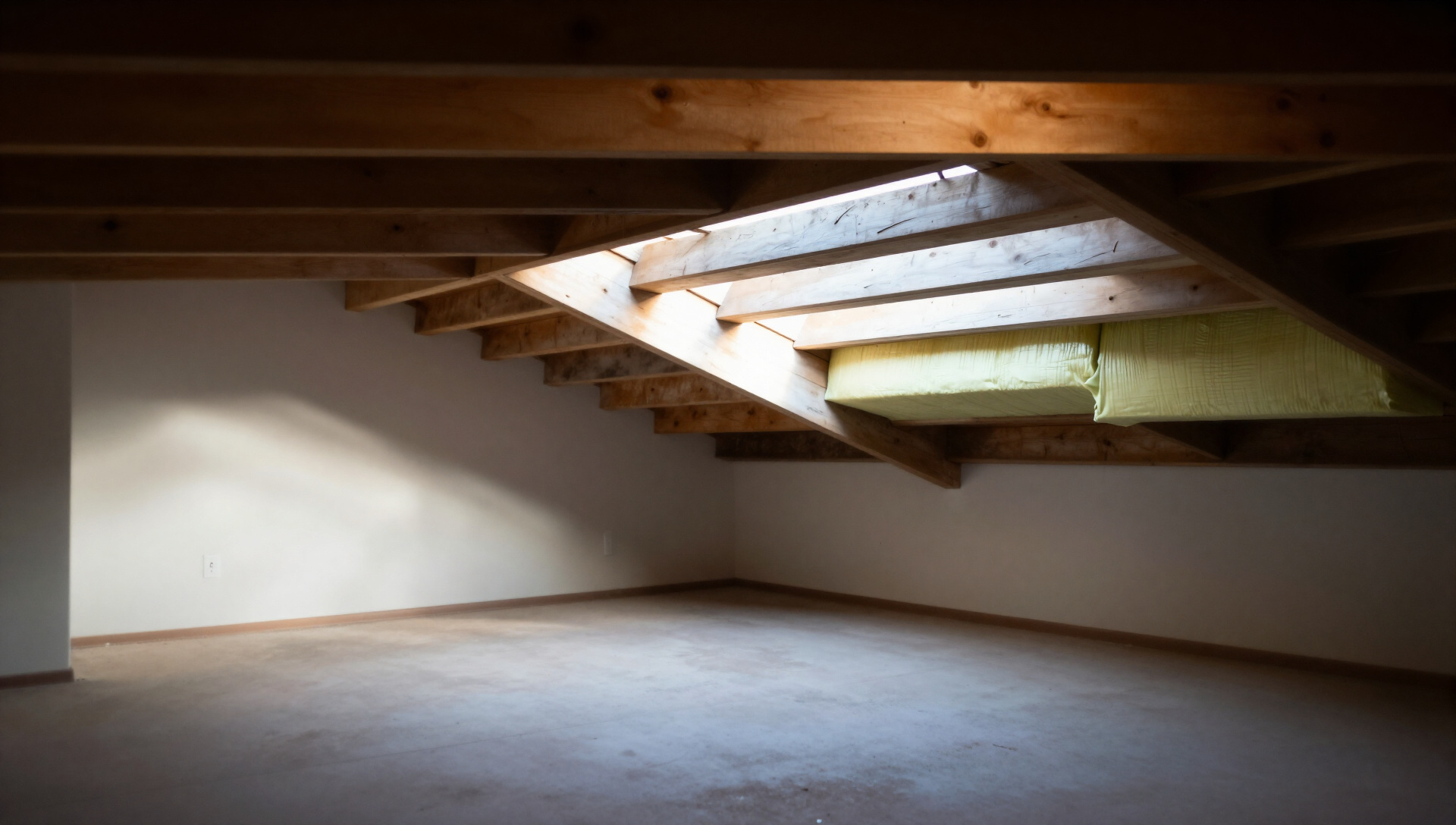
Melbourne’s temperature swings and humidity take a toll on insulation over time. Removing degraded material improves comfort, air quality and the performance of any new insulation you install.
Compressed or wet batts lose R-value, so heat escapes in winter and enters in summer. Removing them lets new insulation work at its full thermal resistance.
Years of ceiling dust, rodent droppings and fibres accumulate in old insulation. Removal clears these irritants from your roof space and improves indoor air quality.
Wet batts from leaks or condensation trap moisture, leading to mould growth. Removing them stops the cycle and protects your home’s structure.
Old thin batts or partial coverage leave gaps that reduce effectiveness. Removal allows a full, even layer of modern bulk insulation to be fitted between joists.
Rodents and insects nest in damaged insulation. Clearing it out removes their habitat and reduces the risk of infestations in your roof space.
If you’re adding downlights, rewiring or re-roofing, old insulation often needs to come out first to provide safe access and clearances.
We follow a systematic approach to remove insulation safely and efficiently, with minimal disruption to your home. Every step is planned to protect your property and prepare the space for new material.
We check the roof space or wall cavities for the type and condition of existing insulation, access points and any signs of asbestos. If asbestos is suspected, work stops until a qualified assessor inspects it.
Dust barriers and extraction equipment are set up to contain fibres and debris. We wear P2 respirators and protective gear to prevent contamination of the rest of your home.
Batts are carefully pulled from between joists or studs and bagged for disposal. Loose material and dust are vacuumed from the roof space using industrial equipment.
All debris is removed from the site, and the space is left clean and ready for new insulation. We note any issues like damaged sarking or gaps that need addressing before installation.
We remove old insulation from homes across Melbourne, from inner-city terraces in Fitzroy and Carlton to postwar brick homes in Reservoir and Essendon. Whether your roof space is cramped or your walls are cavity brick, we adapt our removal process to the construction and access of your property.
Safe extraction of old, damaged or ineffective insulation from ceilings, walls and underfloors in Melbourne homes.
Homeowners in Melbourne often have questions about when removal is necessary, how it’s done and what to expect. Here are the answers to the most common queries.
Old insulation in Melbourne homes often underperforms due to age, moisture or pest damage. Removing degraded glasswool, polyester or rockwool batts from your ceiling or walls restores the thermal barrier that keeps winter heat in and summer heat out. This is especially important in Melbourne’s climate, where temperature swings can be extreme and heating and cooling costs add up quickly.
The removal process begins with an inspection of the roof space or wall cavities to identify the type of insulation, its condition and any access constraints. If the material is suspected to contain asbestos, work ceases until a qualified assessor confirms it is safe to proceed. We then set up containment and extraction to prevent dust and fibres from spreading through your home, ensuring a clean and safe environment.
After removal, the space is vacuumed and prepared for new bulk insulation. This step is critical for achieving the intended R-value, as gaps, compression or moisture in the old material would otherwise compromise performance. Whether you’re upgrading to higher R-value batts or switching to a different type of insulation, removal ensures your new installation delivers the thermal resistance your home needs.
If your ceiling, walls or underfloor insulation is old, wet or damaged, we can remove it safely and prepare the space for new material. Call us to discuss your home and arrange an inspection.